What Growing Service Businesses Should Standardize Across Their Vehicle Fleets
October 20, 2026
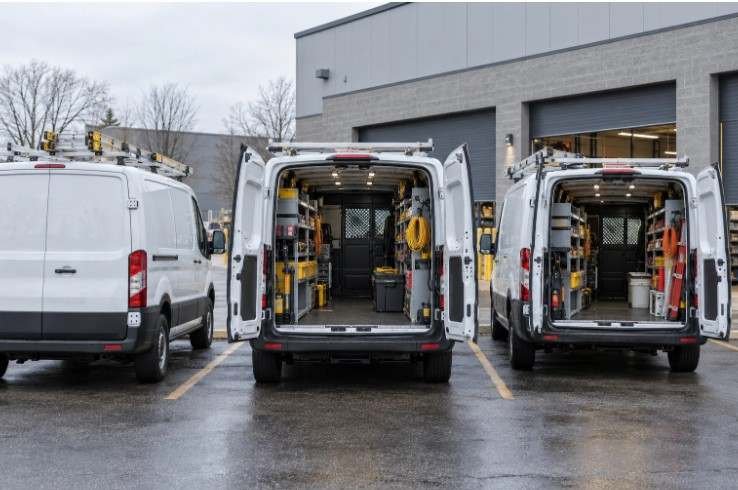
Managing a few service vehicles is relatively straightforward when each technician knows their van and where everything belongs. As a business expands, however, differences between vehicles can become harder to manage. Tools may be stored in different locations, equipment mounting systems may vary, and replacement vehicles may arrive with configurations that differ from the existing fleet.
For growing contractors and service companies, these inconsistencies can create operational challenges that become more noticeable as additional technicians and vehicles are introduced.
Fleet standardization addresses these challenges by establishing consistent equipment arrangements, storage practices, and safety requirements. The goal is not to make every vehicle identical but to create predictable configurations that support daily operations while accommodating the needs of different trades.
Establish Consistent Storage Layouts Across Similar Vehicles
One of the most practical starting points for fleet standardization is deciding where tools, materials, and supplies should be stored.
When comparable service vehicles follow the same organizational system, technicians can locate commonly used items without learning a different arrangement for every vehicle. This becomes particularly useful when employees share vehicles, cover different service territories, or temporarily operate a replacement van.
Commercial van storage standards should identify designated locations for frequently used equipment, replacement parts, consumables, and specialized tools.
For example, an electrical contractor might establish consistent storage areas for testing instruments, wire connectors, cable supplies, and hand tools. Similarly, a plumbing company might assign specific compartments for fittings, valves, repair components, and diagnostic equipment.
The precise layout will depend on the trade, but the underlying principle remains the same: comparable vehicles should follow a recognizable organizational structure.
Businesses should also establish consistent labeling systems and inventory locations. These practices make it easier to check stock levels, replenish supplies, and identify missing equipment across multiple vehicles.
As fleets expand, having a documented storage arrangement reduces dependence on individual technicians remembering how each vehicle was originally organized.
Standardize Equipment Placement and Safety Requirements
Storage consistency is only one aspect of vehicle standardization. The placement and securing of larger equipment also deserve attention.
Shelving units, ladder racks, partitions, tool drawers, and equipment mounts should follow established specifications wherever vehicle dimensions and operational requirements allow.
For businesses undertaking fleet van upfitting, consistent mounting positions can help technicians develop familiar working routines. Frequently accessed equipment can remain in similar locations across comparable vans, reducing unnecessary adjustments when employees change vehicles.
Safety considerations should be incorporated into these standards from the beginning.
Cargo partitions, restraint systems, and equipment-securing methods should be selected according to vehicle design, load characteristics, and applicable safety requirements. Heavy tools and materials must be secured appropriately to prevent movement during transportation.
Fleet managers should also consider equipment weight distribution, manufacturer payload limits, and safe access to storage compartments.
A standardized arrangement should never override vehicle-specific engineering requirements. Different van models may require different mounting hardware, structural attachment points, or load-management solutions.
For Ontario businesses operating across Cambridge, Kitchener, Waterloo, and surrounding communities, consistent safety practices can also make routine vehicle inspections and equipment checks easier to administer across multiple service teams.
Written installation specifications and inspection procedures provide a useful reference as the fleet grows.
Use Familiar Configurations to Support Technician Onboarding
Adding vehicles often means adding employees. Without consistent vehicle layouts, technician onboarding can involve learning several different storage systems and equipment arrangements.
A standardized fleet provides a more predictable working environment.
New technicians can be introduced to a common organizational system, including the locations of essential tools, safety equipment, frequently used materials, and inventory records.
Once employees become familiar with that system, moving between similarly configured vehicles becomes less disruptive.
This is particularly relevant for service businesses that operate shared vehicles, maintain spare vans, or adjust technician assignments based on customer demand.
Consistency also supports supervisors responsible for checking vehicle readiness. When equipment is expected to occupy designated locations, inspections can follow a repeatable process rather than relying on vehicle-specific knowledge.
However, standardization should leave room for differences between trades.
Electricians may need organized compartments for small components and electrical testing equipment. HVAC technicians may require storage for refrigerant-related tools, diagnostic instruments, and larger service components. Plumbers may need arrangements suited to pipe materials, fittings, and equipment of varying dimensions.
Rather than applying one universal layout, businesses can develop separate work vehicle configurations for different service categories.
Each category can have its own standardized arrangement while maintaining common safety procedures, labeling conventions, and equipment documentation across the broader fleet.
Document Fleet Standards Before Adding or Replacing Vehicles
Vehicle replacement planning becomes increasingly important as service fleets grow. Without documented standards, a newly purchased van may be configured differently from the vehicles it replaces.
Businesses can reduce this inconsistency by developing written vehicle configuration specifications.
These documents should identify required shelving systems, storage dimensions, equipment locations, cargo restraints, safety features, and trade-specific accessories.
Fleet managers should distinguish between essential requirements and preferred features. Essential specifications may include safe equipment mounting, sufficient payload capacity, and storage for critical service tools. Preferred features might include particular drawer arrangements or accessory positions that can be adjusted to suit different vehicle models.
This distinction becomes valuable when manufacturers introduce new vehicle designs or when businesses purchase different van sizes.
Commercial vehicle upfitting can then follow a defined operational specification instead of relying entirely on individual preferences or previous installations.
For businesses planning fleet expansion, documented standards also create a useful reference for comparing vehicle configurations, reviewing installation requirements, and evaluating future equipment purchases.
Implement Standards Without Eliminating Necessary Flexibility
Once equipment requirements, storage layouts, and safety specifications have been documented, businesses need a practical method for applying them across multiple vehicles.
Professional commercial fleet upfitting services can help translate those requirements into vehicle-specific installations. Tri-City Custom Upfitters is one regional example serving businesses around Cambridge, Kitchener, and Waterloo that require commercial vehicle and fleet upfitting solutions.
The important consideration is whether the completed configurations reflect the company’s established operating requirements while remaining suitable for each vehicle.
Fleet managers should review proposed installations against their specifications, particularly when different makes, models, or vehicle sizes are involved.
It can also be useful to evaluate one representative configuration before applying the same standard across additional vehicles. Technician feedback may identify practical adjustments involving tool access, compartment sizes, or equipment positioning.
Standardization should remain an ongoing process rather than a one-time installation decision.
As service offerings change, businesses may need to revise storage requirements, introduce new equipment, or create additional vehicle categories. Periodic reviews help ensure existing standards remain relevant without allowing unnecessary differences to accumulate.
For growing service businesses, the value of fleet consistency lies in establishing clear expectations. Comparable vehicles should be familiar to operate, equipment should be organized according to documented requirements, and replacement planning should build on configurations that have already proven practical.
By balancing shared standards with trade-specific flexibility, businesses can develop fleets that remain manageable as their operations and service teams expand.