How to Transform Your 4×4 for the Ultimate Off-Road Camping Adventure
October 22, 2026
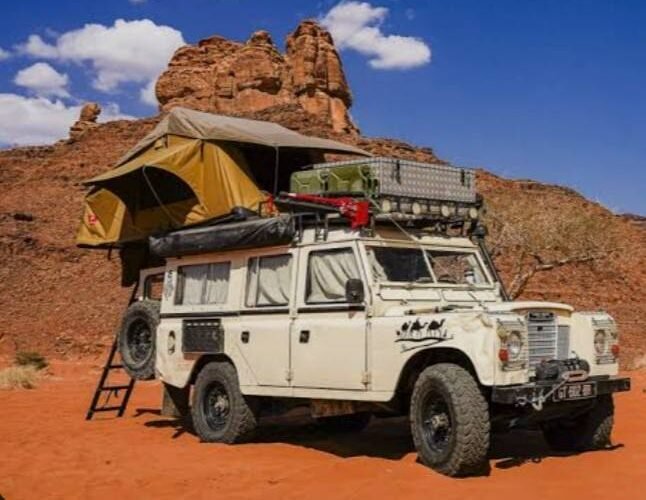
Australians have embraced off-grid exploration like never before. In 2025, adventurers embarked on a record-breaking 17.3 million domestic camping trips, pouring 12.6 billion dollars into regional economies. Interestingly, the traditional demographic has shifted significantly. Recent data shows that 43 percent of domestic camping visitors are now employed full-time, proving that weekend overlanding has become a major lifestyle trend for working professionals across the country. Furthermore, the national fleet of recreational and camping vehicles has grown by 32 percent since 2019. However, tackling the harsh outback requires more than just enthusiasm and a sense of adventure. You need a properly outfitted four-wheel drive to ensure a safe, reliable, and comfortable journey into remote territories.
Choosing a Capable Foundation
Before you start bolting on expensive aftermarket accessories, your foundation must be rock solid. Selecting a sturdy base vehicle with excellent traction capabilities and ample ground clearance is non-negotiable for navigating rutted tracks and rocky terrain safely. Modern out-of-the-box specifications can be incredibly impressive for buyers looking to hit the trails immediately. For example, you can look at a thorough review of the Mahindra Thar LX, which highlights its rugged powertrain, locking differentials, and generous 226.6 millimetres of ground clearance that make it highly capable straight off the dealership floor. A strong starting point ensures your modifications enhance off-road performance rather than simply compensate for basic structural flaws that could leave you stranded.
Smart Storage Solutions for Touring
Once your base vehicle is sorted, the next challenge is managing your gear. Off-road camping requires tools, recovery equipment, a fridge, and dual battery power systems to sustain extended trips. Throwing everything loosely into the back seat is a recipe for chaos and potential damage on corrugated dirt roads. Upgrading the rear of your utility vehicle is a highly recommended step for serious tourers. Installing an aluminium toolbox canopy is a brilliant way to protect sensitive equipment from fine red dust and heavy rain while keeping heavy items neatly organised. A weather-sealed, lockable setup serves a practical dual purpose. It safely secures expensive trade tools during the work week and protects off-grid equipment during weekend adventures. Aluminium is widely preferred in the Australian 4WD community because its high strength-to-weight ratio allows you to maximise secure storage capacity without chewing into critical payload limits.
Respecting Weight Limits and Legalities
Adding heavy modifications like bull bars, steel drawer systems, and hard-shell rooftop tents will quickly push a standard vehicle toward its legal weight limit. Exceeding your Gross Vehicle Mass (GVM) is dangerous and can lead to defect notices, severe fines, or voided insurance policies in the event of an accident. Understanding how these structural limits are defined is crucial for staying safe on the trails. According to the National Highway Traffic Safety Administration, the rated cargo load should represent the manufacturer’s assessment of the vehicle’s true cargo-carrying capacity and the maximum load at which the vehicle may be safely operated in varied conditions. To carry heavy touring loadouts legally, many owners invest in a certified GVM upgrade featuring engineered shock absorbers and heavy-duty springs. Furthermore, upgrades performed before a new vehicle is registered fall under federal Second Stage of Manufacture rules, ensuring national compliance. As of late 2025, newly manufactured vehicles receiving a GVM upgrade above 3,500 kilograms must also adhere to updated Euro VI emission compliance standards, making meticulous pre-planning more important than ever.
Essential Upgrades to Complete Your Build
With storage and suspension handled, it is time to finalise your overlanding setup. The aftermarket accessory sector has grown massively, giving owners endless ways to customise their vehicles for remote travel. When planning your final modifications, consider prioritising these key areas:
- 12-Volt Power Systems: A dedicated dual-battery setup is vital for running portable fridges, illuminating camp lights, and charging essential electronics while entirely off the grid for days at a time.
- Recovery Equipment: Even the most capable drivers get stuck occasionally. Pack recovery boards, a rated snatch strap, and a reliable air compressor to quickly adjust tyre pressures for soft outback sand.
- Quality Lighting: Regional roads are notorious for nocturnal wildlife hazards like kangaroos and wombats. Driving lights or a roof-mounted light bar will drastically improve visibility during nighttime driving.
- Communication Devices: Mobile phone reception is practically nonexistent in remote outback areas. A UHF radio or satellite messenger provides a vital lifeline to emergency services and fellow travellers.
Transforming your vehicle for off-road camping is an exciting project that opens the door to unforgettable outback experiences. By starting with a capable base, investing in smart lightweight storage, respecting your legal weight limits, and packing essential recovery gear, you can explore the wilderness with total confidence. Take the time to build your rig right, and it will reward you with years of dependable service on the roughest tracks Australia has to offer.
WB 24 RTO Code: City, Registration information, Location & Service