Light Bars vs. Pod Lights: Which Setup Fits Your Truck Adventures?
October 29, 2026
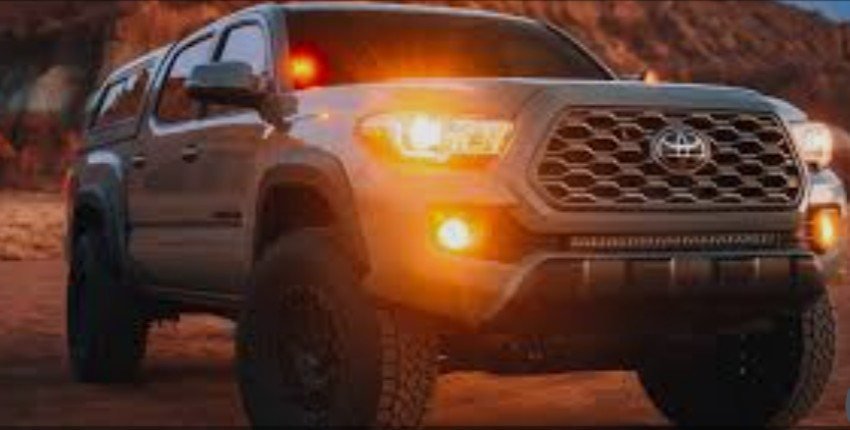
Choosing off-road lighting starts with a practical question: where do you need a clearer view? A wide trail, a tight wooded turn, and an uneven approach can present different visibility challenges. The right equipment helps address those challenges without adding distracting brightness where you do not need it.
An led light bar for truck applications may suit certain mounting spaces and coverage goals, while individual pods offer other placement possibilities. Neither format automatically provides the best result for every vehicle or route.
Before deciding, consider your available mounting locations, preferred terrain, and existing headlight coverage. Understanding those details can help you choose a bar, pods, or a combination that supports your usual adventures.
Cover More of the Trail With the Right Light Bar
A light bar places multiple lighting elements within an elongated housing. That shape can suit certain bumper openings, roof brackets, or other compatible mounting arrangements. However, the housing’s width does not tell you everything about how the beam will cover the trail.
Beam pattern deserves close attention. Review the manufacturer’s descriptions and illustrations to understand where each option directs its output. A bar configured for distance serves a different purpose from one intended to spread light across a broader area.
Start with the gap you want to address. You might need additional coverage along the trail edges or a clearer view farther ahead. Choose a pattern that responds to that need rather than assuming a longer bar will solve every visibility problem.
Measure the complete installation space before ordering. Account for brackets, housing depth, wiring connections, and room for adjustment. Confirm that the proposed mounting equipment suits both your truck and the selected light.
Finally, consider the view from the driver’s seat. The finished setup should provide useful coverage without putting distracting light onto the hood or other nearby surfaces. Evaluate the installation in suitable conditions and follow the aiming instructions.
Put Focused Light Where Your Truck Needs It
Pod lights provide individual units that can be positioned at compatible mounting points. Depending on the product and bracket arrangement, they may offer flexibility when one continuous housing does not fit your available space.
That flexibility can help you address specific coverage gaps. For example, you may want additional illumination near the front corners or toward an area that remains shadowed during slow turns. Identify the task before selecting the equipment.
Do not assume every pod produces a narrow beam. Like bars, pods can use different optics and patterns. The housing format and beam distribution are separate considerations, so review both when comparing products.
Size and weight matter as well. Confirm that the brackets are intended to support the selected units and that the installation leaves appropriate clearance around nearby components.
Separate units also require a complete wiring plan. Consider cable routing, circuit protection, connectors, and controls according to the manufacturer’s requirements. Include the necessary hardware and installation assistance in your budget.
The advantage comes from thoughtful placement. Several poorly positioned pods can leave the same visibility gaps unresolved, while a carefully chosen arrangement may better support the areas you need to observe.
Terrain and Driving Speed Shape Your Beam Choice
Your usual routes should guide your lighting decisions. Open terrain, tight wooded sections, and uneven technical trails can require attention to different parts of the scene ahead.
On winding routes, notice whether your existing setup leaves the inside of turns or trail edges difficult to see. On more open stretches, consider whether useful coverage extends far enough to support your decisions. Always keep your speed appropriate for the visibility available.
As you compare an led light bar with individual pods, assess the beam pattern rather than relying on the category name. Different products within either format can create different results.
Changing conditions also matter. Airborne dust or moisture can affect the view, and adding more light does not necessarily make every situation clearer. Evaluate whether each light improves your ability to recognize terrain or adds distracting brightness.
Avoid choosing equipment around the idea that additional lighting makes faster driving appropriate. Visibility is only one part of judging a suitable pace; terrain, traction, obstacles, and other trail users remain important.
Whenever possible, assess lighting under conditions similar to those you normally encounter. Park safely for adjustments and compare the view from your normal seating position.
Build a Setup That Covers Your Visibility Gaps
Begin with your headlights and work outward. Identify what they already illuminate adequately, then note the areas where you want improvement. This creates a purpose for each additional light.
A bar may fit one coverage need, while pods address another. A combined setup can be useful when the components serve complementary roles, but additional equipment should solve an identifiable problem.
Plan mounting and wiring together. Check access for installation, aiming, cleaning, and inspection. Avoid selecting a location solely because it looks appealing in a photograph.
Think about controls before installation, too. Separate switching may be helpful when different lights serve different purposes. Follow the electrical requirements for the equipment and seek qualified assistance when the work exceeds your experience.
After installation, test individual lights before evaluating the complete combination. This makes it easier to identify which unit causes a reflection or contributes excessive brightness to one area.
Check for balanced coverage rather than a dramatically bright foreground. Inspect hardware, lenses, and wiring according to the manufacturer’s directions, particularly after rough outings.
Finally, use auxiliary lighting considerately. Switch it off when it could dazzle nearby drivers or trail users, and check applicable requirements before operating it on public roads.
Conclusion
Light bars and pod lights offer different ways to build an off-road lighting setup, but the most useful choice depends on coverage, fit, and placement. A bar may suit your available mounting space, while pods may provide flexibility around specific visibility gaps. Comparing beam patterns and installation requirements helps you look beyond housing shape and advertised brightness.
If you are considering the Baja Designs S8, review the specifications for the exact size and configuration you intend to purchase. Compare its intended coverage with your current headlights, available mounting locations, and usual terrain. Apply the same approach to any pods you are considering so every component has a clear role in the finished setup.
The goal is a view that helps you recognize the trail comfortably and make informed driving decisions. Choose equipment around the routes you actually travel, take time to aim it correctly, and maintain it as instructed. Whether you select a bar, pods, or both, careful planning can make the upgrade more useful on your next off-road outing.
How Advanced Diagnostic Tools Prevent Costly European Car Repairs