What Are the Top Benefits of Professional Ceramic Window Tinting in Orange County?
October 29, 2026
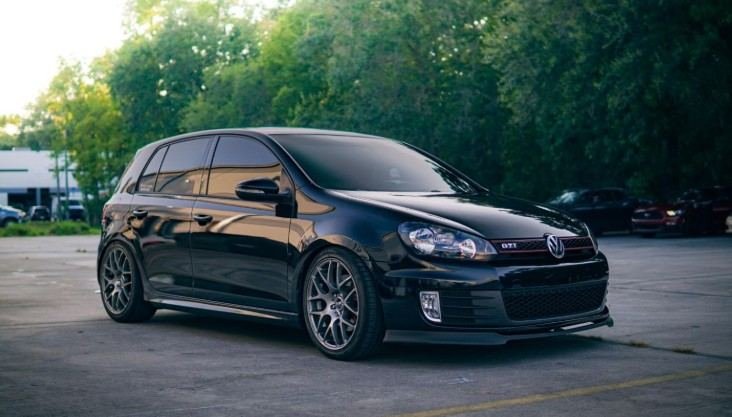
The top benefits of professional ceramic window tinting in Orange County are unmatched infrared heat rejection (blocking up to 85%–95% of thermal heat), 99% UV radiation defense, zero interference with electronic and 5G signals, and complete legal compliance with California Vehicle Code § 26708. Installed in climate-controlled cleanrooms with digital plotters, professional ceramic film prevents interior cracking, eases EV battery strain, and will not fade, bubble, or turn purple under the Southern California sun.
Driving through Orange County means contending with relentless coastal glare on the Pacific Coast Highway and baking in stop-and-go gridlock on the I-405, SR-55, or I-5. While standard dyed window film darkens the glass, it does little to block radiant solar energy. Knowing the advantages of professional ceramic window tinting helps motorists protect their vehicle equity, enhance daily comfort, and ensure their glass remains street-legal across Southern California. By choosing top-tier ceramic window tinting Orange County specialists deliver, you secure advanced heat rejection and lasting UV defense designed to keep your cabin noticeably cooler year-round.
Ceramic Window Tint vs. Traditional Films
| Feature | Nano-Ceramic Tint (Professional) | Carbon Tint | Standard Dyed Tint (DIY/Budget) |
|---|---|---|---|
| Infrared Heat Rejection (IRR) | 80% – 95%+ | 40% – 60% | 5% – 15% |
| Total Solar Energy Rejected (TSER) | 55% – 70%+ | 45% – 55% | 20% – 30% |
| UV Protection (UVA/UVB) | 99%+ | 99% | 60% – 85% |
| Signal Transmission (5G, GPS, RFID) | 100% Pass-Through | 100% Pass-Through | 100% Pass-Through (non-metal) |
| Durability in SoCal Sun | 10+ Years / Lifetime | 7 – 10 Years | 1 – 3 Years (Turns purple/bubbles) |
| Heat Rejection at Light Shades (70% VLT) | Excellent | Moderate | Negligible |
| Average Cost in Orange County | $400 – $750+ (Full vehicle) | $300 – $450 | $120 – $220 |
7 Key Benefits of Professional Ceramic Tinting
- Exceptional Infrared Heat Rejection
Over 50% of the sun’s thermal energy comes from invisible infrared (IR) light. Dyed polyester films absorb visible light but let infrared waves stream straight into your cabin. Nano-ceramic films are engineered with billions of microscopic ceramic particles that reflect and absorb IR radiation, dropping internal vehicle temperatures by up to 25°F even when parked outside in Irvine or Anaheim.
- Full Compliance with California Vehicle Code § 26708
California strictly regulates window darkness:
- Windshield: Non-reflective tint allowed only along the top 4 inches (AS-1 line).
- Front Side Windows: Must allow a combined minimum of 70% Visible Light Transmission (VLT).
- Rear Windows: Any darkness level is permitted as long as dual side-view mirrors are installed.
Because ceramic tint relies on nanoparticle chemistry rather than dark dye to block heat, you can install an optically light 70% or 80% VLT ceramic film on front side windows and windshields that rejects massive heat while remaining fully street-legal.
- Preserves EV Battery Range
With Orange County home to thousands of electric vehicles (Tesla, Rivian, Lucid, and Hyundai Ioniq), managing climate control draw is critical. High air conditioning usage cuts real-world driving range on hot afternoons. Ceramic tint creates a thermal barrier that reduces cabin heat absorption, allowing the HVAC compressor to run at lower blower speeds and saving valuable kilowatt-hours.
- Flawless 5G, GPS, and FasTrak Connectivity
Older metallized films blocked heat using metallic flakes that acted like a Faraday cage, attenuating wireless signals. Ceramic film is completely non-metallic and non-conductive. It guarantees crystal-clear reception for:
- 5G cellular and mobile data
- GPS navigation and satellite radio
- The Toll Roads / FasTrak transponders used on SR-73, SR-133, and SR-241
- Keyless entry and Bluetooth digital keys
- 99% UV Blockade and Interior Protection
Ultraviolet rays degrade automotive upholstery, dry out premium leather, and crack synthetic dashboards within a few years of coastal sun exposure. Certified ceramic film blocks 99% of UVA and UVB rays—the equivalent of an SPF 1,000 shield for your vehicle’s interior surfaces and your skin.
- Elimination of Glare Without Impairing Night Vision
High-noon sun glare off coastal water and blinding LED headlights on the freeway make driving hazardous. Ceramic film cuts harsh road reflection and optical glare by up to 50%–80% without muddying your outward optical view during night driving.
- Guaranteed Bubble-Free and Long-Lasting Durability
DIY tint rolls and cheap shop dyed films break down under continuous heat; the adhesive crystallizes, forming unsightly bubbles and turning violet. Professional shops install premium brands (such as XPEL PRIME XR, LLumar FormulaOne, or 3M Ceramic IR) inside sealed, climate-controlled cleanrooms using digital CAD plotters. The result is micro-edge alignment, zero trapped dust, and a transferable lifetime warranty against peeling, bubbling, and color fading.
What to Look for When Choosing an Orange County Installer
- Authorized Brand Certification: Ensure the shop is an authorized dealer for recognized manufacturers (XPEL, LLumar, SunTek, or 3M). This validates technician training and activates the official manufacturer lifetime warranty.
- Climate-Controlled Enclosed Bays: Installing film in open garages or outdoor driveways traps coastal moisture, dust, and sand particles between the glass and film. Insist on a sealed cleanroom installation.
- Computerized Template Cutting: Verify the shop uses automated plotters rather than cutting directly on your car’s glass with hand-held utility blades, which can scratch the glass and damage weatherstripping.
Frequently Asked Questions
Is ceramic window tinting worth the higher cost in Orange County?
Yes. While ceramic tint costs roughly $150 to $300 more upfront than dyed films, it rejects up to three times more heat, preserves vehicle resale value, prevents dashboard warping, and carries a lifetime warranty so you never have to pay for tint removal or re-application.
Can I legally tint my front windshield in California?
California Vehicle Code § 26708 permits non-reflective tint only on the top 4 inches of the windshield. Many drivers opt for an optically clear 70%–80% ceramic film across the full windshield for thermal defense, though unless you have a verified state medical exemption, full windshield coverage is technically non-compliant under strict interpretation.
Does ceramic tint ever turn purple or bubble over time?
No. Purple discoloration occurs when cheap organic dyes decompose under ultraviolet light. Ceramic tint contains non-metallic, inorganic nanoparticles that are immune to UV fading and chemical breakdown.
How long does ceramic tint need to cure before rolling down windows?
You must keep your windows fully rolled up for 3 to 5 days after installation. This allows the slip solution and moisture pockets to evaporate through the film and ensures the pressure-sensitive adhesive bonds permanently to the glass.
Can I clean ceramic tinted windows with regular glass cleaners?
No. Never use ammonia-based cleaners (like standard blue Windex) on tinted windows. Ammonia degrades the protective scratch-resistant coating and compromises the adhesive. Always use an ammonia-free automotive glass cleaner and a soft microfiber towel.
Investing in professional ceramic window tinting provides permanent thermal relief, interior preservation, and seamless tech connectivity. For Orange County drivers facing intense coastal sunshine and heavy highway commutes, it remains the premier automotive upgrade for comfort and protection.
How Advanced Diagnostic Tools Prevent Costly European Car Repairs