Navigating Interstate Highway Corridors in India: RTO Regulations, Highway Infrastructure, and In-Transit Digital Engagement
September 12, 2026
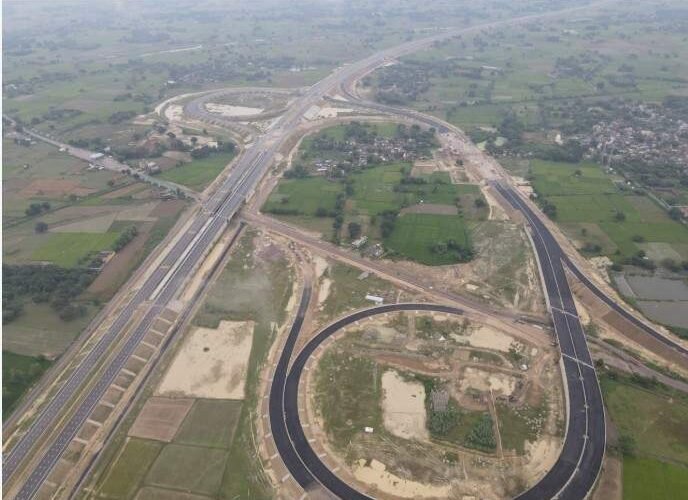
Operating a motor vehicle across regional boundaries in India requires a comprehensive understanding of regional transport authorities, road tax structures, and vehicular compliance standards. India’s national highway network spans over 145,000 kilometers, connecting major economic hubs through complex transit corridors. Vehicles moving between states encounter varying enforcement protocols managed by individual Regional Transport Offices (RTOs), each identified by unique two-letter state prefixes and two-digit district codes—such as RJ-01 (Ajmer), RJ-03 (Banswara), TN-47 (Karur), or MP-16 (Chhatarpur).
While physical transportation logistics depend on engine maintenance, tire specifications, and highway pavement conditions, modern road journeys are equally defined by the digital infrastructure supporting both drivers and passengers. From automated toll plazas using RFID technology to high-bandwidth cellular networks along major freeways, transit efficiency relies on seamless integration between vehicular hardware, state administrative systems, and mobile data services.
Passenger Data Demand and Mobile Connectivity on Major National Highways
Interstate highways such as National Highway 48 (NH-48) connecting Delhi to Chennai and National Highway 44 (NH-44) stretching from Srinagar to Kanyakumari have undergone extensive telecommunications upgrades. The National Highways Authority of India (NHAI), alongside major telecom operators, has prioritized continuous 4G and 5G cell tower coverage along primary freight and passenger routes. Continuous signal availability is critical not only for GPS navigation and electronic tolling via FASTag but also for meeting the substantial data consumption demands of long-distance passengers.
Modern passenger coaches and private SUV fleets increasingly deploy vehicle-mounted Wi-Fi routers and multi-carrier signal repeaters to prevent connectivity dead zones during transit between remote administrative districts. For passengers following live sports coverage during multi-hour highway journeys, interacting with real-time odds interfaces like a desi cricket live bet platform requires low-latency data streams to reflect dynamic score changes accurately without dropping sessions during cellular tower handovers. When high-speed vehicles cross telecom circle boundaries—such as transitioning from the Maharashtra circle to the Gujarat circle—uninterrupted network connection ensures that media feeds, navigational alerts, and interactive digital applications function reliably.
Furthermore, power management systems inside long-distance vehicles have evolved to sustain continuous device usage. High-output USB-C Power Delivery (PD) ports integrated into passenger seating columns supply stable wattage, preventing mobile battery drain during continuous data transmission on extended highway routes.
Regulatory Frameworks and RTO Compliance across State Boundaries
Navigating India’s interstate road networks requires strict adherence to motor vehicle statutes administered by state transport departments under the Motor Vehicles Act of 1988 and its subsequent amendments. Every vehicle registered in India displays an alphanumeric registration plate indicating its primary jurisdiction, which determines tax liability, inspection intervals, and commercial permit mandates.
Interstate Vehicle Movement and Tax Verification
When a private vehicle registered under an RTO such as HR-10 (Sonepat) or MP-13 (Ujjain) enters another state for a temporary duration, it remains exempt from local road tax for up to twelve months. However, if the owner relocates permanently, a formal transfer process must be initiated. This procedure requires obtaining a No Objection Certificate (NOC) from the parent RTO, followed by the re-registration of the vehicle at the destination RTO and the payment of differential road tax.
Commercial passenger vehicles and goods carriers operate under different operational constraints. Interstate commercial transit requires either single-trip border permits or National Permits issued through the Parivahan portal. RTO border inspection posts utilize Automated Number Plate Recognition (ANPR) systems integrated with national databases to verify tax status, fitness certificates, and pollution under control (PUC) validity without requiring manual vehicle stop-and-search procedures.
Digital Documentation via mParivahan and DigiLocker
Physical document checks at state border checkpoints have been substantially streamlined through digital verification platforms. Under Central Motor Vehicles Rules, law enforcement officers and RTO inspectors recognize digital versions of driving licenses, registration certificates, insurance policies, and PUC documents presented through the mParivahan or DigiLocker mobile applications.
- Registration Certificate (RC) Verification: Validates ownership details, vehicle class, engine/chassis number, and seating capacity against central registry records.
- Permit and Fitness Credentials: Ensures commercial buses and transport trucks possess active permits for cross-border operations and conform to safety standards.
Digital verification eliminates paperwork delays, reduces congestion at interstate toll gates, and provides verified vehicle records directly from the Ministry of Road Transport and Highways (MoRTH) central database.
Evaluating Infrastructure and Connectivity Across Key Interstate Corridors
To illustrate the technical and regulatory operational environment across different Indian highway corridors, the following comparison highlights key route metrics, primary RTO jurisdictions encountered, and telecommunications density.
| Highway Corridor | Primary RTO Jurisdictions | Highway Infrastructure & Network Density |
|---|---|---|
| NH-48 (Delhi – Mumbai Segment) | HR-26 (Gurugram), RJ-14 (Jaipur), GJ-01 (Ahmedabad), MH-04 (Thane) | Multi-lane access-controlled expressway; 100% FASTag integration; dense 5G cellular coverage along main corridors. |
| NH-44 (North-South Corridor) | PB-10 (Ludhiana), UP-14 (Ghaziabad), MP-04 (Bhopal), TN-01 (Chennai Central) | High-volume mixed traffic corridor; automated weigh-in-motion bridges at border points; reliable 4G LTE coverage. |
| NH-16 (Eastern Coastal Highway) | WB-01 (Kolkata), OD-02 (Bhubaneswar), AP-05 (Kakinada), TN-07 (Chennai South) | Heavy industrial freight movement; frequent RTO automated check-posts; moderate network handoff latency in coastal sections. |
Understanding route-specific characteristics helps drivers prepare for state-specific toll structures, potential weigh-station delays, and varying cellular network coverage profiles.
Optimization Strategies for Long-Distance Fleet Management
Ensuring vehicle reliability and passenger safety during long-distance interstate transit requires structured preventative maintenance and digital route preparation. Vehicle breakdowns on remote highway stretches can cause severe delays and safety risks.
- Pre-Trip Mechanical Audit: Inspect tire tread depth and inflation pressure, evaluate brake pad thickness, check coolant and oil levels, and test all exterior lighting equipment prior to departure.
- FASTag Account Verification: Confirm that the linked electronic toll account maintains sufficient balance to prevent blacklisting at automated toll barriers, which results in double-rate cash penalties.
- Emergency Protocol Preparation: Store physical reflector triangles, a fully stocked medical kit, a functional spare tire with correct pressure, and emergency contacts for highway assistance services (such as NHAI helpline 1033).
- Device and Navigation Prep: Download offline topographical maps for regions with intermittent network connectivity and configure high-capacity power banks or vehicle-based power converters.
Following a systematic checklist significantly lowers operational risks and ensures smooth passage through interstate borders and toll corridors.
Harmonizing Vehicle Logistics and Modern In-Transit Connectivity
The landscape of long-distance driving in India is defined by rapid infrastructure modernization and digital regulatory integration. The unification of vehicle records through central databases, electronic tolling across state borders, and widespread high-speed cellular networks have altered the dynamics of interstate transit. Vehicle owners and fleet operators benefit from reduced administrative friction at state borders, while passengers experience enhanced connectivity and access to real-time information throughout their journeys. As road networks expand and automotive technologies evolve, maintaining awareness of RTO compliance standards alongside cellular data management remains essential for safe, efficient, and well-connected highway travel across India.