How Mobile Medical Units Are Reshaping Healthcare Access in Underserved Regions
October 15, 2026
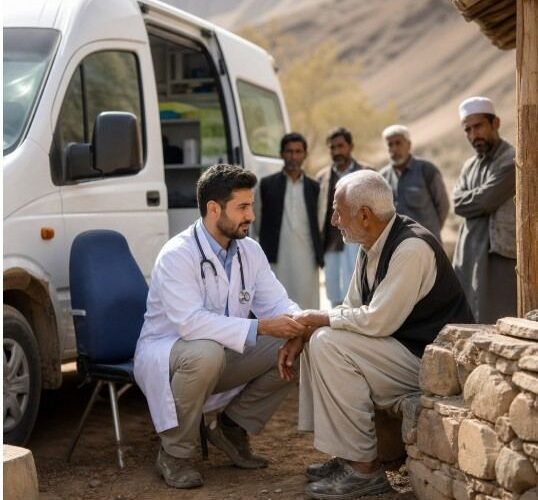
Healthcare accessibility remains one of the most persistent challenges facing rural and underserved communities worldwide. While telehealth has gained ground in recent years, many populations still require physical access to diagnostic equipment, preventive screenings, and hands-on medical interventions. Mobile medical vehicles have emerged as a practical solution, transforming standard commercial chassis into fully equipped clinics that bring essential services directly to patients who would otherwise face significant barriers to care.
These purpose-built units are not simply ambulances or transport vehicles. They incorporate examination rooms, diagnostic imaging equipment, laboratory capabilities, and climate-controlled storage for medications and vaccines. The design process requires balancing medical functionality with road safety, weight distribution, and regulatory compliance across multiple jurisdictions.
Infrastructure Requirements for Medical Mobility Programs
Deploying a mobile medical unit involves more than purchasing a vehicle. Healthcare organizations must establish routing protocols that account for road conditions, seasonal weather patterns, and local traffic regulations. In regions with extensive highway networks, understanding interstate corridor regulations becomes essential for operations that cross state or provincial boundaries. Teams must verify that vehicle dimensions, weight classifications, and medical equipment installations meet standards for each jurisdiction where the unit will operate.
Power systems present another critical consideration. Most mobile clinics require generator capacity sufficient to run diagnostic equipment, refrigeration units, and climate control systems simultaneously. Solar panel arrays are becoming more common as supplementary power sources, though they typically cannot sustain high-draw equipment like X-ray machines or ultrasound devices without battery storage systems. Fuel capacity must be calculated not just for propulsion but for extended stationary operation during clinic sessions that may last six to eight hours at a single location.
Customization Options and Fleet Specifications
Organizations entering the mobile healthcare space face a fundamental decision: whether to purchase new or pre-owned units. Both approaches carry distinct advantages depending on budget constraints, timeline requirements, and intended service scope. Fabrication companies like Craftsmenind specialize in building new and used mobile medical vehicles with custom layouts that accommodate specific clinical workflows, from primary care and dental services to mammography screening and behavioral health counseling. Used units often come with existing medical infrastructure that can be retrofitted, reducing deployment time by several months compared to ground-up builds.
Interior configuration typically begins with patient flow analysis. Single-provider units may need only one examination room, while multi-specialty clinics require separate spaces for different types of consultations. Privacy partitions, soundproofing, and separate entry and exit points help maintain patient confidentiality and efficient throughput. Wheelchair accessibility is non-negotiable, requiring hydraulic lifts or ramps that comply with accessibility standards without compromising structural integrity.
Medical Equipment Integration
Equipment mounting systems must absorb road vibration without allowing movement that could damage sensitive instruments or create safety hazards during transit. Point-of-care laboratory equipment, pharmaceutical refrigerators, and electronic health record terminals all require shock-absorbing mounts and secure fastening systems. Weight distribution affects vehicle handling and tire wear, so equipment placement must be planned during the design phase rather than added incrementally.
Imaging equipment represents the upper end of mobile medical capability. Portable X-ray units and ultrasound machines have become lighter and more efficient, but they still require dedicated power circuits and lead-lined storage compartments. Mammography coaches need reinforced floors to support equipment weight and additional climate control to maintain calibration stability.
Branding and Community Recognition
Visual identity plays an unexpected role in mobile medical program success. Communities served by these units often have low health literacy and may be skeptical of unfamiliar medical providers. Clear, professional vehicle graphics help establish legitimacy and make the unit recognizable across multiple visits. Fleet graphics programs for healthcare providers must balance approachability with clinical authority, using color schemes and typography that communicate trustworthiness without appearing corporate or impersonal.
Wrap design should include service hours, contact information, and language accessibility indicators when serving multilingual populations. Reflective materials improve visibility during early morning or evening hours, which many mobile clinics utilize to accommodate working patients. Some organizations incorporate QR codes that link to appointment scheduling systems or educational resources, though this assumes smartphone access that may not be universal in target populations.
Operational Challenges and Maintenance Protocols
Mobile medical units face maintenance demands that exceed typical commercial vehicle requirements. Medical equipment manufacturers often specify vibration limits and climate ranges that standard transport cannot guarantee. Regular calibration of diagnostic instruments becomes more complex when equipment experiences road conditions between service sites. Organizations typically establish relationships with both automotive service centers for chassis maintenance and biomedical equipment technicians for clinical systems.
Route planning software has become essential for programs serving multiple locations. These systems account for vehicle height and weight when suggesting routes, avoiding low bridges and weight-restricted roads that could strand a unit far from its service area. When operating across regions with varied transportation infrastructure, understanding highway corridor regulations and digital engagement strategies helps teams anticipate regulatory requirements and communicate real-time schedule updates to waiting patients.
Fuel efficiency varies widely based on vehicle size and equipment load. Smaller units built on van chassis may achieve 12 to 15 miles per gallon, while larger bus-based clinics often see single-digit efficiency. Programs serving remote areas must factor fuel costs and refueling logistics into their operational budgets, sometimes requiring fuel storage arrangements at frequently visited sites.
Measuring Impact and Program Sustainability
Success metrics for mobile medical programs extend beyond simple patient counts. Effective programs track health outcomes like blood pressure control, vaccination rates, and cancer screening completion within their service populations. These metrics help secure continued funding from grant agencies and demonstrate value to healthcare system partners who may refer patients to mobile services.
Cost per patient contact provides a baseline efficiency measure, though it must be contextualized against the alternative costs of emergency department visits or delayed care complications. Programs serving geographically dispersed populations inevitably show higher per-patient costs than urban fixed-site clinics, but the comparison misses the point. Mobile units serve populations who would otherwise receive little or no preventive care, making cost comparison to traditional delivery models less relevant than evaluating health outcomes against doing nothing.
Vehicle lifespan represents another sustainability consideration. Well-maintained mobile medical units can operate for 10 to 15 years before requiring major refurbishment or chassis replacement. Organizations should plan for mid-life equipment upgrades as medical technology evolves, budgeting for interior modifications that extend the unit’s useful service period without complete rebuilds.
Future Directions in Mobile Healthcare Delivery
Electric and hybrid powertrains are beginning to enter the mobile medical space, though battery capacity remains insufficient for units requiring sustained high power draw during stationary operation. Hydrogen fuel cell technology may offer a more practical alternative for medical applications, providing both propulsion and auxiliary power without the range limitations of current battery systems.
Telemedicine integration is expanding mobile clinic capabilities without requiring additional physical space. Remote specialist consultations conducted from mobile units allow primary care providers to address complex cases in real time, reducing patient referrals to distant facilities. This hybrid model maintains the critical in-person component for hands-on examination and procedures while extending specialist access to underserved regions.
As healthcare systems worldwide confront aging populations and persistent geographic disparities in access, mobile medical vehicles represent a proven intervention that adapts to diverse contexts. Success requires careful attention to vehicle specification, operational logistics, and community engagement, but the model has demonstrated its ability to reach populations that traditional healthcare delivery consistently misses.