How European Car Technology Changes the Way Vehicles Are Serviced
October 17, 2026
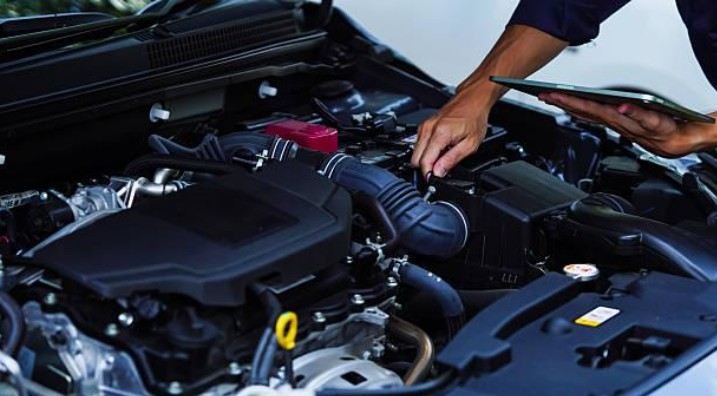
European vehicles are known for their precision engineering, advanced safety features, and sophisticated onboard technology. From turbocharged engines to computer-controlled transmissions, these innovations have changed how vehicles are diagnosed, maintained, and repaired. Understanding these developments helps drivers recognize why modern European cars require specialized servicing and vehicle-specific maintenance procedures.
Tacoma, Washington, is home to drivers who rely on their vehicles for daily commutes, family travel, and weekend road trips throughout the Puget Sound region. For owners seeking European auto repair in Tacoma, understanding modern automotive technology can help them make informed decisions about maintenance, diagnostics, and repairs.
1. Advanced Computer Systems Require Specialized Diagnostics
Modern European vehicles rely on electronic control units (ECUs) to manage essential functions, including engine performance, transmission operation, braking systems, and emissions. These computers continuously monitor vehicle performance and record fault codes when problems occur.
Unlike older vehicles, where many issues could be identified through visual inspections, newer models often require advanced diagnostic scanners and manufacturer-specific software. A dashboard warning light may indicate anything from a minor sensor malfunction to a more complex mechanical issue.
Technicians use diagnostic tools to retrieve fault codes, analyze live vehicle data, and identify potential causes. This approach helps reduce unnecessary part replacements and supports more accurate repairs.
2. Engine Technology Has Become More Complex
European manufacturers frequently incorporate turbocharging, direct fuel injection, and variable valve timing to improve engine performance and efficiency. Although these technologies provide significant benefits, they introduce additional components that require careful maintenance.
Turbocharged engines, for example, operate under demanding temperature and pressure conditions. Using the correct engine oil, following recommended service intervals, and monitoring cooling system performance can help protect critical components.
Direct-injection systems also require specialized troubleshooting when fuel delivery or engine performance problems develop. Understanding how these systems work together allows technicians to diagnose issues more effectively and recommend suitable repairs.
3. Electronic Safety Features Change Repair Procedures
Advanced driver-assistance systems (ADAS) are increasingly common in European vehicles. Features such as automatic emergency braking, lane departure warnings, adaptive cruise control, and parking assistance depend on cameras, radar sensors, and other electronic components.
When a windshield is replaced, a bumper is repaired, or suspension components are changed, certain vehicles may require sensor calibration. Even small changes in sensor positioning can affect how these systems interpret their surroundings.
Consequently, modern vehicle servicing involves more than replacing damaged parts. Technicians must also verify that relevant safety systems function correctly after repairs. Following the appropriate calibration procedures is essential for maintaining the intended operation of these features.
4. Preventive Maintenance Depends on Vehicle-Specific Requirements
European vehicles often have maintenance schedules tailored to their engines, transmissions, driving conditions, and model specifications. Following a generic maintenance plan may overlook important service requirements.
Some vehicles use electronic oil-life monitoring, while others provide service reminders based on mileage, elapsed time, or operating conditions. Technicians must consider these indicators alongside manufacturer recommendations and the vehicle’s service history.
Routine inspections can help identify developing issues involving belts, cooling systems, suspension components, brakes, and fluid leaks. Addressing concerns early may prevent more extensive repairs and support dependable performance.
Drivers should also use fluids, filters, and replacement parts that meet the specifications established for their particular vehicle.
5. Software Updates Are Becoming Part of Vehicle Maintenance
Software now influences many aspects of vehicle operation, including engine management, transmission behavior, infotainment, and driver-assistance functions. In some cases, a performance issue may be related to outdated software rather than a failed mechanical component.
Depending on the manufacturer and model, technicians may need specialized programming equipment to install approved updates, configure replacement modules, or complete electronic adaptations after repairs.
These procedures require attention to compatibility and manufacturer-specific instructions. As vehicles become more connected and software-dependent, technical training and access to suitable diagnostic equipment are increasingly important for automotive repair professionals.
Key Takeaways
- Modern European vehicles require electronic scanning tools and specialized troubleshooting.
- Turbocharging and direct injection demand vehicle-specific maintenance and repair knowledge.
- Certain repairs require precise ADAS sensor checks and calibration.
- Manufacturer-specific service schedules help protect vehicle performance and reliability.
- Updates and electronic programming are increasingly important parts of vehicle servicing.
- Experienced technicians, suitable equipment, and transparent communication support better repair decisions.
[…] How European Car Technology Changes the Way Vehicles Are Serviced […]