Can Colored PPF Film ChanCan Colored PPF Film Change Your Car’s Appearance Without Repainting?ge Your Car’s Appearance Without Repainting?
October 13, 2026
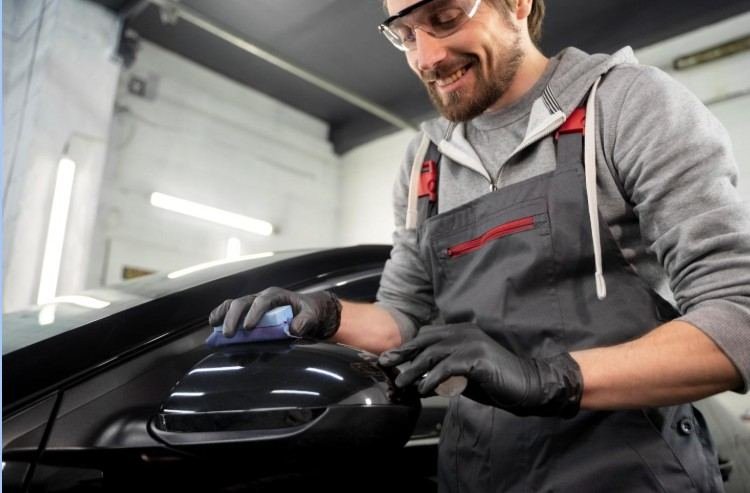
Yes, colored PPF film can completely transform your vehicle’s color and finish without requiring a permanent repaint. Built from high-grade thermoplastic polyurethane (TPU), colored PPF combines the deep aesthetic transformation of an automotive wrap with the rugged impact resistance and self-healing properties of traditional clear bra films. Because it applies directly over factory clear coat via removable adhesives, it alters your vehicle’s look entirely while leaving OEM paint untouched and preserving vehicle resale value.
Comparing Your Options: Colored PPF vs. Vinyl Wrap vs. Custom Repaint
When car owners want to switch up exterior styling, three options dominate the market: colored PPF, standard cast vinyl wrap, and a full body respray.
| Feature / Criteria | Colored PPF (TPU) | Vinyl Wrap (PVC) | Full Custom Repaint |
|---|---|---|---|
| Primary Purpose | Visual change + heavy-duty protection | Purely aesthetic customization | Permanent structural color overhaul |
| Material Thickness | 7.5 to 10 mils | 3 to 4 mils | Varies (clear coat ~1.5 to 3 mils) |
| Impact Protection | Exceptional (rock chips, road debris) | Minimal (light abrasion only) | None (paint chips directly) |
| Self-Healing Topcoat | Yes (minor swirls vanish with heat) | No | No |
| Finish Depth & Orange Peel | Mirror-like OEM gloss, satin, or matte | Often shows light texture/orange peel | Flawless when wet-sanded & cleared |
| Average Lifespan | 5 to 10 years | 3 to 5 years | Indefinite (requires regular care) |
| Reversibility | 100% cleanly removable | 100% cleanly removable | Irreversible |
| Impact on Resale Value | Positive (preserves OEM factory paint) | Neutral | Often negative (destroys OEM status) |
| Estimated Cost Range | $5,000 – $9,000 | $2,500 – $4,500 | $6,000 – $15,000+ (high-end) |
In-Depth Analysis: The Three Vehicle Restyling Methods
- Colored Paint Protection Film (TPU)
Modern colored PPF is manufactured by infusing rich color pigments into elastomeric thermoplastic polyurethane. Unlike earlier generations of dyed films, premium brands like STEK, XPEL, and SunTek produce color PPF with zero optical distortion.
- Pros: True self-healing properties that eliminate swirl marks under sun or warm water; shields metal panels from rock chips, acid rain, and road salt; hydrophobic topcoats shed dirt effortlessly; fully removable without harming factory paint.
- Cons: Significantly higher material and labor costs than vinyl; requires wet installation by trained installers; narrower catalog of bespoke patterns compared to vinyl.
- Best Use Case: High-end sports cars, daily drivers exposed to highway gravel, and owners who want a showroom-depth color change alongside stone-chip protection.
- Vinyl Car Wrap (PVC)
Polyvinyl chloride (PVC) wrap film has long been the standard for automotive styling. It applies dry with pressure-activated adhesive and comes in nearly endless colors, chrome sheens, and custom printed graphics.
- Pros: Accessible price point; unmatched variety of finishes including color-shift, brushed aluminum, and camo; easily swapped out for promotional or seasonal redesigns.
- Cons: Thin construction offers almost zero defense against highway rock strikes; prone to UV fading and adhesive baking if left past 3–4 years; often exhibits mild “orange peel” texture compared to real clear coat.
- Best Use Case: Short-term aesthetic makeovers (2–3 years), commercial vehicle branding, or budget-conscious styling projects.
- Full Automotive Repaint
A complete respray strips down your vehicle’s exterior panels, requiring masking, sanding, primer, base coats, and clear coats.
- Pros: Permanent, seamless transformation with no edge margins or peel lines; allows paint-matching inside door jambs, engine bays, and trunk gutters.
- Cons: Extremely labor-intensive and costly; permanently strips away factory OEM paint, often reducing the car’s collector or trade-in value; vulnerable to chipping immediately upon leaving the shop.
- Best Use Case: Classic vehicle restorations, vehicles suffering from major clear-coat peeling, or collision repairs where bodywork has already compromised the base metal.
Key Buying Considerations Before Investing in Colored PPF
- Existing Paint Condition: PPF relies on an intact, solid bond. If your vehicle currently has loose clear coat, severe rust, or poorly cured aftermarket paint, peeling the film later will pull the paint with it.
- Door Jamb & Seam Coverage: Standard exterior wraps stop at the panel gaps. If your base car is bright white and you install deep gloss black PPF, consider paying extra for full door jamb coverage to avoid high-contrast seams when doors open.
- Installer Certification: Thicker TPU film is far less forgiving than vinyl during installation. Seek shops certified by reputable film manufacturers that use computerized plotter patterns and tucked-edge techniques to eliminate visible lines.
- Warranty Coverage: Look for 7- to 10-year manufacturer warranties that specifically guarantee against delamination, bubbling, yellowing, and color fading.
Common Mistakes to Avoid
- Treating Colored PPF Like Thin Vinyl: Expecting dry DIY installation leads to immediate ruined sheets. Colored PPF requires slip solution, precise squeegee work, and specialized heat setting.
- Ignoring Full Paint Decontamination: Applying film over micro-tar, fallout, or uncorrected swirl marks traps imperfections permanently under your new color.
- Using Abrasive Polishing Compounds: PPF features an elastomeric, self-healing topcoat. Heavy rotary buffing with abrasive compounds can strip this protective layer, ruining the self-healing ability.
- Blasting Edges with High-Pressure Washers: Holding pressure washer nozzles closer than 12–18 inches directly against wrapped panel edges can force water underneath and lift the film.
Frequently Asked Questions
Can colored PPF film change your car’s appearance without repainting effectively?
Yes. Colored PPF delivers rich, opaque pigmentation that masks the underlying factory paint entirely. Its topcoat produces high-gloss reflection or smooth satin sheen comparable to factory spray guns.
Will colored PPF damage my vehicle’s original factory paint when removed?
No, as long as the film is removed professionally within the manufacturer’s rated lifespan (typically 7–10 years) and the underlying paint was original OEM clear coat. Heat guns and proper pulling techniques leave zero adhesive residue.
How does colored PPF heal from minor scratches?
Colored PPF contains shape-memory polymers in its polyurethane top layer. When subjected to ambient engine heat, direct sunlight, or warm water, the molecules relax and return to their baseline structure, smoothing out swirl marks automatically.
Can I apply a ceramic coating over colored PPF?
Yes. Adding a dedicated PPF ceramic coating increases UV resistance, enhances hydrophobic properties, and makes routine washing even easier without interfering with the film’s self-healing mechanisms.
Why is colored PPF more expensive than a standard vinyl wrap?
Colored PPF uses thicker, multi-layered thermoplastic polyurethane (TPU) rather than polyvinyl chloride (PVC). The manufacturing process for self-healing, optically clear, pigmented TPU layers is far more complex, and installation requires specialized technician training.
The Verdict
If your main priority is an inexpensive aesthetic makeover and you plan to rotate colors every few years, vinyl wrap remains a practical choice. If you are restoring degraded body panels, a custom repaint is necessary.
However, if you want to overhaul your vehicle’s look while locking in serious defense against rock chips, door dings, and UV oxidation, colored PPF is the premier modern solution. It provides the visual depth of an OEM paint job, shields your underlying clear coat, and preserves the car’s factory trade-in value from day one.