Can You Take a Ceramic-Coated Car Through an Automatic Car Wash?
October 9, 2026
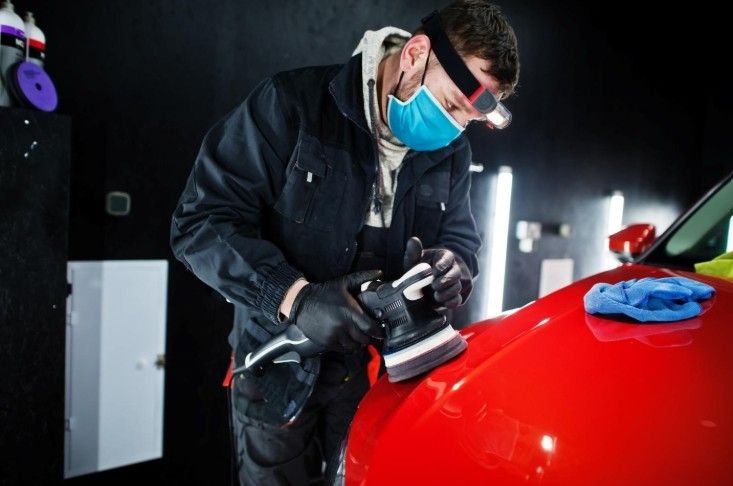
You should not take a ceramic-coated car through a standard automatic car wash with spinning brushes or friction curtains. The coarse bristles, abrasive nylon rollers, and trapped grit from previous vehicles will scour your clear coat, causing severe swirl marks and micro-scratches that degrade the ceramic layer. If you must use an automated bay in a pinch, an automated touchless car wash is technically acceptable, but its harsh, high-pH chemical detergents will steadily strip away the hydrophobic topcoat over time. To protect your investment, hand washing remains the gold standard. In fact, top detailers specializing in car ceramic coating Orange County drivers rely on always recommend gentle, two-bucket hand washes to preserve that mirror-like gloss and hydrophobic finish.
Comparison Table: Car Wash Methods for Ceramic Coatings
Choosing how to clean your coated vehicle directly dictates how long your $1,000+ paint protection investment lasts. Here is how each common wash option stacks up:
| Wash Method | Safe for Ceramic? | Swirl / Scratch Risk | Chemical Impact | Typical Cost | Durability Impact |
|---|---|---|---|---|---|
| Friction Automatic (Brushes) | No | Very High | High (harsh detergents) | $8 – $15 | Destroys coating & scuffs clear coat |
| Touchless Automatic | Emergency Only | Low | Very High (aggressive pH) | $10 – $18 | Degrades hydrophobic slickness fast |
| Self-Serve Bay (Pressure Only) | Moderate | Low (if no brush used) | Moderate to High | $5 – $10 | Preserves coating if hand-dried correctly |
| Two-Bucket Hand Wash | Yes (Best) | Minimal | Negligible (pH-neutral) | Low (DIY) | Maximizes full 2–5 year lifespan |
| Rinseless / Waterless Wash | Yes | Very Low | Negligible | Low (DIY) | Excellent maintenance between deep cleans |
In-Depth Analysis of Car Wash Options
- Friction Automatic Car Washes (Soft-Cloth & Bristle Bays)
Automated friction tunnels rely on physical contact between spinning mechanical brushes, fabric strips, and your car’s panels.
- Pros: Fast, convenient, inexpensive, widely available.
- Cons: Known in detailing as “swirl-o-matics.” Dirt and road grime from trucks and SUVs wash into the bristles and stay trapped. When those bristles beat against your paint at high speed, they act like coarse sandpaper.
- Best Use Case: Work trucks, beater cars, or non-enthusiast daily drivers with standard unprotected paint.
- Verdict for Ceramic: Never. While ceramic coatings offer a 9H hardness rating on the pencil scale, they are micrometers thin. They resist chemical etching and bird droppings, not mechanical grinding.
- Touchless Automatic Car Washes (Laser Wash Bays)
Touchless washes bypass physical brushes entirely, relying instead on high-pressure water jets and strong cleaning chemistry to strip dirt.
- Pros: Zero physical friction against paint, eliminating contact-induced swirl marks.
- Cons: Without mechanical agitation, these systems must use caustic, high-alkaline pre-soaks (pH 11–13) followed by acidic neutralizers (pH 2–3). Ceramic coatings are chemically resistant, but repeated cycles of extreme pH levels will break down the sacrificial silica ($SiO_2$) layer, shortening a 3-year coating to 12 months.
- Best Use Case: Rinsing heavy road salt or caked mud off your undercarriage in winter when outdoor temperatures are below freezing.
- Professional or DIY Two-Bucket Hand Wash
The gold standard for ceramic coating maintenance. This method uses dedicated wash mitts, grit guards, and balanced automotive shampoos.
- Pros: Total control over wash pressure, water quality, and chemical safety. Completely preserves the coating’s hydrophobic beading properties.
- Cons: Requires 45 to 60 minutes of labor, access to a hose or pressure washer, and dedicated detailing gear.
- Best Use Case: Regular bi-weekly maintenance for any enthusiast or daily driver with professional or DIY ceramic coatings.
What to Look for When Washing a Coated Vehicle
- pH-Neutral Shampoos: Always select dedicated car soaps with a balanced pH of 7 that contain no added waxes, gloss enhancers, or silicone sealants. Waxes mask the ceramic coating’s natural hydrophobics and attract dust.
- Deionized or Filtered Water: Because ceramic surfaces sheet water efficiently, any residual hard water left behind will evaporate into stubborn mineral deposits (calcium spots), which bond tightly to the coating.
- Forced-Air Drying: Use a leaf blower or dedicated car dryer to blow water out of crevices, minimizing the physical contact needed from drying towels.
Common Mistakes Coated Car Owners Make
- Using the Self-Serve Foaming Brush: The bristles on broom-style brushes at self-serve bays harbor embedded gravel and brake dust from off-roaders and wheels. Touching your paint with one will immediately ruin your finish.
- Letting Water Air-Dry in the Sun: High surface tension causes ceramic coatings to bead water into small spheres. In direct sunlight, these beads act as magnifying lenses, baking hard water minerals into the coating.
- Assuming Ceramic Makes Paint “Scratch-Proof”: Coatings prevent minor marring, oxidation, and bird dropping damage, but they cannot stop rock chips, key scratches, or spinning car wash rollers.
- Skipping Decontamination Washes: Over time, iron fall-out, industrial grime, and tree sap clog the microscopic valleys of the coating, making it seem like the coating has failed. A periodic chemical decon wash using an iron remover restores slickness without polishing.
Frequently Asked Questions
Will one trip through an automatic car wash ruin my ceramic coating?
A single pass through a friction wash will not completely strip the coating down to bare paint, but it will inflict noticeable swirl marks across your clear coat. Fixing those scratches requires compound polishing, which will remove the ceramic coating in the polished areas.
Can I run my ceramic-coated car through a touchless wash in winter?
Yes, using a touchless wash occasionally to blast away road salt and winter road brine is a practical compromise when freezing temperatures prevent hand washing. Just avoid the optional spray-on “hot waxes” or “clear-coat protectants” at the exit.
How often should you wash a ceramic-coated vehicle?
Aim to wash your vehicle every two to three weeks. Regular washing keeps road film and contaminants from building up and clogging the coating’s hydrophobic properties.
What kind of soap is best for ceramic coatings?
Look for a pure, pH-neutral car wash soap free of gloss enhancers, petroleum distillates, and carnauba wax. Brands like CarPro Reset, Gtechniq G-Wash, and Adam’s Car Shampoo are specifically formulated for coated panels.
Do automated car wash drying blowers damage ceramic coatings?
No, the forced-air dryers at the end of automated washes are completely safe. In fact, contactless drying is the preferred method for coated vehicles because it eliminates the risk of towel drag.
Final Verdict
Taking your ceramic-coated car through a traditional automatic brush car wash defeats the purpose of investing in paint correction and protection in the first place. The spinning brushes will mar your finish with fine spiderweb scratches that can only be removed by machine polishing off the coating. Stick to the two-bucket hand wash method using a pH-neutral shampoo and clean microfiber mitts. If you face freezing winters or a time crunch, a touchless (brushless) car wash is an acceptable occasional backup, provided you skip the wash bay’s cheap spray waxes. This is especially vital if you drive a Tesla car, as its notoriously soft factory clear coat requires extra care to stay pristine and swirl-free.