Cheapest Electric Car in India 2025: Top Affordable EVs for Budget Shoppers
November 8, 2025
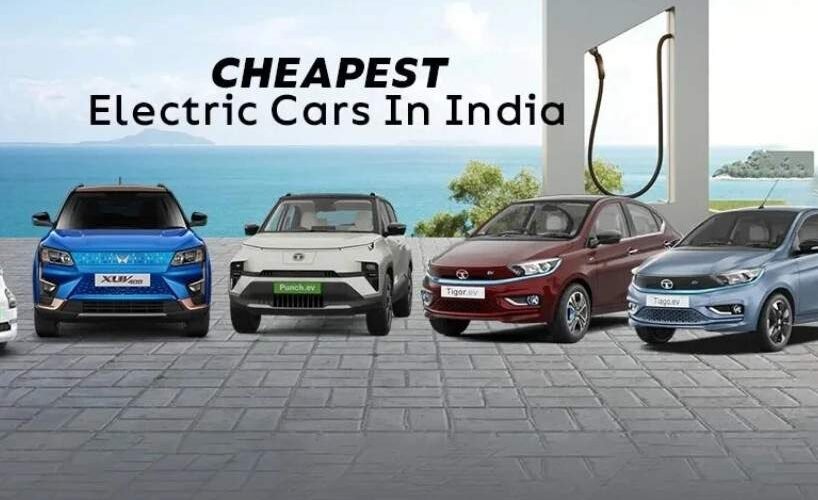
Introduction
As electric vehicles (EVs) become more prevalent and the demand for sustainable transportation increases, many consumers are looking for the cheapest EV in India.
We’re here to help — in this guide, we will cover 2025’s cheapest electric car models, including their features, range, and value for money.
What is the Least-Expensive Electric Car in India?
When looking for the cheapest electric car in India, one should keep several factors in mind when making their selection: range, charging options, brand support, and overall cost of ownership are key considerations.
Key Factors to Keep in Mind for Car Purchase
Range
How far a vehicle can travel on a single charge.
Charging Infrastructure
Home and station-based charging options available.
Maintenance Costs
Electric vehicles offer numerous advantages over their combustion counterparts in terms of low maintenance costs and running expenses.
Top Affordable Electric Cars Available in India (under Rs 1 Lakh)
Let’s examine some of the top contenders for India’s least expensive electric cars:
Comparison of Budget Electric Cars in India 2025
| Car Model | Approx. Price (Ex-Showroom) | Claimed Range (KM) | Key Features |
|---|---|---|---|
| MG Comet EV | ₹7.98 Lakh | 230 km | Compact design ideal for city use. |
| Tata Tiago EV | ₹8.69 – ₹11.99 Lakh | 250–315 km | Spacious comfort, fast charging, modern design. |
| Tata Tigor EV | ₹12.08 Lakh | 315 km | Superior features, fast charging, family-friendly. |
| Mahindra e2o Plus | ₹8.5 Lakh | 140–150 km | Compact budget EV, urban-friendly. |
| Maruti Suzuki WagonR EV | ₹8.35 Lakh | 250–300 km | Reliable, compact city car from Maruti Suzuki. |
When choosing an electric car, it should always be the least expensive solution available for your needs.
Why Pick the Cheapest Electric Car in India?
1. Lower Running Costs
One of the primary advantages of owning an electric car is its lower running costs. Charging an EV is significantly less costly than filling up with petrol or diesel vehicles, helping you save significantly on fuel over time.
Even for India’s least-expensive EV models, per-kilometer costs remain minimal compared with traditional cars.
2. Green Transportation Alternatives
Switching to an electric vehicle means reducing your carbon footprint, and as India strives for a greener future, driving an affordable electric car is one way to reduce emissions and embrace sustainable energy.
3. Government Subsidies and Incentives
India offers various subsidies and incentives for electric vehicle (EV) buyers, such as tax rebates, reduced registration fees, and incentives based on location. These benefits make owning one of India’s cheapest EVs even more accessible.
4. Easy Maintenance
Electric vehicles boast fewer moving parts than traditional cars, which results in lower maintenance costs — an important consideration when searching for an economical electric car in India. Lower maintenance further reduces long-term ownership expenses.
Issues Related to India’s Cheapest Electric Cars
1. Limited Range
While India’s most affordable EV models provide sufficient range for city driving, they may not be suitable for long highway journeys.
MG Comet EV and Tata Tiago EV typically offer 230–315 km per charge, which suffices for most daily commutes but may require frequent charging for longer trips.
2. Charging Infrastructure
India’s charging infrastructure is improving, yet some regions still lag behind.
Availability of fast chargers in your city or area can significantly impact your EV experience. Ensure the EV you choose has fast-charging compatibility and that charging stations are nearby.
3. Performance Trade-offs
To maintain affordability, India’s least-expensive electric vehicles often feature smaller batteries, less powerful motors, and fewer advanced technologies compared to premium models.
While adequate for urban driving, performance may be lower than in high-end EVs.
Tata Avinya Price, Features, Variants & More: What You Need to Know Before 2025 Launch
How to Find the Cheapest Electric Car in India for You
1. Range vs Price
For city driving, an affordable EV like the MG Comet EV may be sufficient, while longer-distance journeys might warrant upgrading to something like Tata Tiago EV or Toyota Prius Prime EV.
2. Charging Accessibility
Determine whether there is easy access to home chargers or public charging stations.
If home charging isn’t an option, consider EVs with fast-charging capabilities, such as the Tata Tiago EV.
3. Long-Term Ownership Costs
Consider battery replacement, insurance, and maintenance when assessing total ownership costs.
Though buying the cheapest EV in India may lower upfront costs, evaluate the total lifetime cost over multiple years.
4. Brand Reputation and After-Sales Service
Tata and MG both boast established service networks, making them reliable options for EV ownership.
Always select an EV with comprehensive after-sales support and warranty coverage when shopping for an economical electric car in India.
Final Thoughts on India’s Cheapest Electric Car
Cheapest Electric Car in India provide an entryway into electric mobility at a budget-friendly price point, while offering savings on running costs and government incentives that enhance value for money.
If your primary use is city commuting and you have access to charging, one of India’s cheapest EVs such as the MG Comet EV or Tata Tiago EV may be ideal.
For longer range or premium features, consider higher-end models offering extended range and performance.
As the EV market expands, prices will drop further, and charging infrastructure will continue to grow, making electric vehicles more practical and accessible for everyone in India.
Visit MG Comet EV Official Page