Small Greenhouses for Compact Gardens: Smart Solutions for Home Gardeners
October 24, 2026
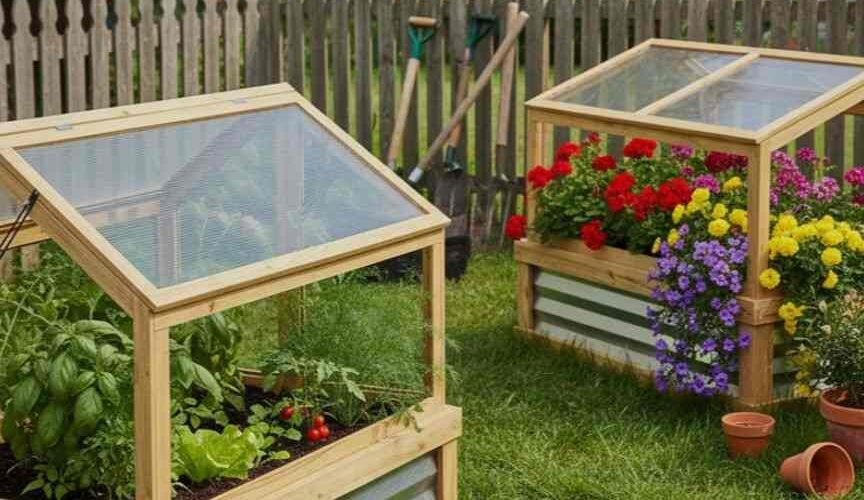
Many home gardeners assume that growing under glass requires a sprawling plot, but that simply isn’t true anymore. A well-chosen small greenhouse can transform a modest patio, courtyard, or side passage into a productive growing space without overwhelming the rest of the garden. For anyone researching their options through a specialist retailer such as greenhousestores.co.uk, understanding the fundamentals of size, layout, materials, and positioning makes the difference between a structure that frustrates you and one that genuinely earns its keep.
Choosing a greenhouse for a compact garden is less about finding the cheapest or smallest option available and more about matching the structure to your actual growing ambitions. A thoughtfully selected small greenhouse can support everything from seed propagation to year-round herb growing, provided the fundamentals are addressed from the outset. This guide walks through the key considerations professional growers and experienced hobbyists weigh up before making a purchase.
Why Size Matters More Than You Think
It’s tempting to simply buy the smallest greenhouse that fits the available space, but this approach often leads to disappointment. A structure that’s too tight restricts airflow, limits staging options, and makes it difficult to move around comfortably while tending plants. On the other hand, oversizing a greenhouse for a small garden can overwhelm the surrounding landscape and eat into space better used for seating, paths, or ornamental planting.
The sensible approach is to measure your available footprint first, then subtract clearance for access and maintenance. Most compact models still require enough surrounding space to open doors and vents fully, as well as room to clean the glazing or polycarbonate panels periodically. A structure that technically fits but leaves no breathing room around it will become a maintenance headache rather than a garden asset.
For truly tight spaces, dedicated small and mini greenhouse ranges are designed specifically to maximize growing area while minimizing footprint. These models often use vertical staging to compensate for a reduced floor area, allowing gardeners to grow a surprising volume of plants in a modest structure.
Planning Your Growing Space Before You Buy
Before settling on dimensions, it helps to think through how the space will actually be used. Are you starting seedlings each spring, overwintering tender plants, or growing tomatoes and cucumbers through the summer months? Each of these goals has different implications for layout.
A simple way to plan is to sketch your intended staging arrangement on paper first. Many compact greenhouses work well with staging along both sides and a narrow central path, while others suit a single run of benching along one wall if the structure is positioned against a fence or house. Thinking through this layout in advance prevents the common mistake of purchasing a structure and only then realizing the internal space doesn’t accommodate the staging or plant trays you had in mind.
It’s also worth considering future flexibility. Gardening habits evolve, and a structure that only suits one type of growing can feel restrictive within a couple of seasons. Opting for a slightly more versatile layout, even within a compact footprint, tends to serve gardeners better over the long term.
Frame Material: Aluminium Versus Timber
The frame material of a small greenhouse affects everything from maintenance requirements to overall appearance, and it’s one of the most important decisions in the buying process.
Aluminium frames are popular for compact structures because they’re lightweight, low-maintenance, and resistant to rot or warping. Their slim profile also allows more light to reach the plants inside, which is particularly valuable in a smaller structure where every bit of natural light counts. For gardeners who want a practical, fuss-free option that will last for many years with minimal upkeep, aluminium is often the natural choice.
Timber frames, by contrast, bring a traditional and attractive appearance that blends beautifully into cottage-style or more established gardens. Thermally treated timber options offer improved resistance to moisture and decay compared to untreated wood, though they typically require more attentive care over their lifetime, including periodic staining or oiling. For gardeners prioritizing aesthetics alongside function, a timber-framed small greenhouse can become a genuine garden feature rather than simply a utilitarian structure.
Ultimately, the right frame material depends on your priorities. If low maintenance and maximum light transmission matter most, aluminium is usually the stronger choice. If you’re drawn to a classic look and don’t mind a bit of seasonal upkeep, timber delivers real character.
Choosing the Right Glazing for Your Climate and Goals
Glazing is another area where compact greenhouse buyers need to think carefully, since the material affects light transmission, insulation, and safety.
Horticultural or toughened glass offers excellent clarity and light transmission, making it a strong choice for serious growers who want optimal conditions for photosynthesis. Toughened glass in particular adds a layer of safety, since it’s designed to break into small, less hazardous fragments if damaged, which is worth considering in gardens where children or pets are present.
Polycarbonate glazing, meanwhile, is valued for its durability and insulating properties. It tends to diffuse light more evenly across the growing space, which can help prevent scorching on sunny days, and its twin-wall construction often provides better heat retention than single-pane glass. For compact greenhouses situated in more exposed positions, this added insulation can be a meaningful advantage during cooler months.
Neither option is universally superior. The right glazing depends on your local climate, how exposed your garden is to wind and frost, and whether you’re prioritizing clarity and light or insulation and durability.
Positioning Your Greenhouse for Success
Even the best-chosen structure will underperform if it’s placed in the wrong spot. Positioning is one of the most overlooked aspects of greenhouse ownership, yet it has a direct impact on plant health and growing success.
Ideally, a small greenhouse should be positioned where it receives strong morning and midday light, away from the deep shade cast by mature trees or tall fencing. An east-to-west orientation along its longest axis generally maximizes light exposure throughout the day, though in very compact gardens this isn’t always achievable, and a well-placed structure that gets partial shade for part of the day will still perform reasonably well.
Wind exposure also deserves attention. A greenhouse positioned against a solid fence or wall on its most exposed side can benefit from a degree of natural shelter, reducing heat loss and structural strain during stormy weather. That said, good airflow around the structure remains important for ventilation and preventing damp conditions from taking hold inside.
Finally, always prepare a solid, level base before installation. An uneven foundation can cause doors to stick, panels to misalign, and long-term structural stress on the frame. Taking the time to prepare paving, concrete, or timber decking properly before the greenhouse arrives will pay dividends in years of trouble-free use.
Frequently Asked Questions
What size greenhouse is best for a small garden?
There’s no single answer, as it depends on your available footprint and growing goals. As a general rule, measure your space, then allow generous clearance around the structure for access and maintenance before deciding on dimensions.
Is aluminium or timber better for a compact greenhouse?
Aluminium suits gardeners who want a low-maintenance, light-filled structure, while timber suits those who prioritize traditional aesthetics and don’t mind periodic upkeep. Both materials can perform well in compact settings when properly installed.
Does glazing type affect how well plants grow in a small greenhouse?
Yes. Glass typically offers superior light clarity, while polycarbonate often provides better insulation and more even light diffusion. The right choice depends on your climate and growing priorities.
Where should I position a small greenhouse in my garden?
Choose a spot with strong light exposure, ideally oriented to capture morning and midday sun, while considering nearby structures that could offer shelter from prevailing winds.
Do I need a special base for a small greenhouse?
A solid, level base is essential regardless of size. Uneven ground can cause structural issues over time, so proper preparation before installation is strongly recommended.
Choosing the right small greenhouse for a compact garden comes down to balancing practical constraints with your growing ambitions. By carefully considering size, layout, frame material, glazing, and positioning together, home gardeners can create a productive and long-lasting growing space, even within a modest footprint.