Understanding Common Car Heating Problems Before Paying for Major Repairs
November 17, 2026
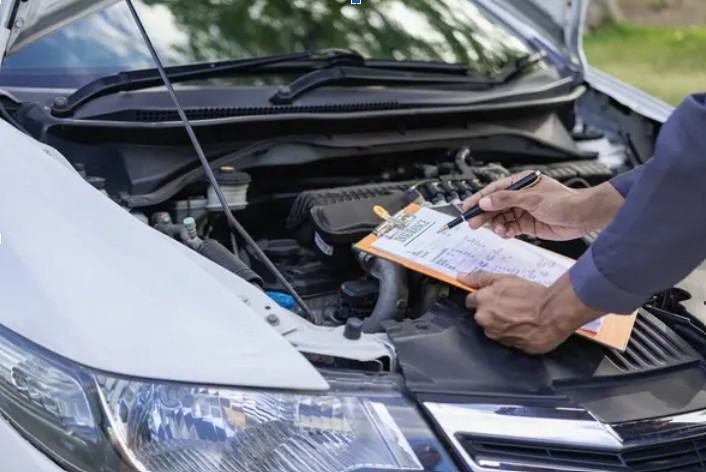
Are you still getting cold air out of your car heater after your vehicle’s engine is warm? If your car has a defective heating system, you may be cold in the car even when it’s cold outside. However, that doesn’t mean you are in for an expensive fix.
The majority of car heating problems are due to blocked or restricted components, coolant leaks, defective thermostats, and blocked airflow. When you are aware of these issues, you will be able to diagnose the likely causes of the problem and be equipped to make better repair decisions.
How Does Your Car’s Heating System Work?
The majority of petrol or diesel cars use the heat generated by your engine to heat the cabin. The hot engine coolant is pumped through a radiator component known as the heater core, and a fan blows the air through the heater and into the cabin. It takes a combination of several different parts.
Important Components Behind Cabin Heating
The main parts include:
- Heater core: Transfers heat from engine coolant into the cabin air.
- Thermostat: Regulates coolant flow to help maintain proper engine temperature.
- Blower motor: Moves air through the vehicle’s ventilation system.
- Heater control valve: Regulates coolant flow through the heater core in vehicles equipped with one.
- Blend door: Controls how much air passes through or around the heater core.
Any one of these parts may be faulty and can have an effect on the heating performance. It is important to determine the component that needs to be replaced before doing anything else.
Common Car Heating Problems and Their Possible Causes
Common car heating problems give off different clues. You can explore a handful of symptoms before you start talking to a mechanic.
Heater Blowing Cold Air
If the heater blows cold air when the engine is hot, there might not be enough coolant flowing through the system.
Possible causes include:
- Low engine coolant
- Air trapped in the cooling system
- A blocked heater core
- A malfunctioning heater control valve
If a vehicle has a heater control valve, a faulty or stuck valve may prevent coolant flow. Depending on the design and condition of the valve, a suitable heater valve repair kit may be a possible option to repair the smaller assembly.
However, the problem is that the valve must be checked first, since not all cars have this component.
Weak Airflow From Heating Vents
Sometimes the heater can blow hot air, but it doesn’t make it into the cabin. That’s usually an indication of a problem with airflow rather than not enough coolant temperature.
Typical culprits: Dirty cabin air filter, failed blower motor, or frozen intake vents. First thing, look at the cabin air filter. If you replace a clogged air filter, you may be able to get regular flow without expensive repairs.
Heater Takes Too Long to Warm Up
Your engine warms up more slowly than usual; this is a sign of a sticking-open thermostat.
A stuck-open thermostat means coolant still flows through the radiator when the engine is supposed to be coming up to operating temperature. This impacts the heating of the passenger compartment.
Before replacing a thermostat, ask a mechanic to inspect engine temperature readings.
When Should You Repair Heating Components Instead of Replacing Them?
This is why you may not always need to replace the whole part if you have a fault with your heating. The best method will be determined by the fault, your replacement parts, and the state of the current system.
Minor Damage May Allow Targeted Repairs
Some heating assemblies have smaller components that can wear out or break.
For certain serviceable designs, heater rebuild kits may contain components needed to restore an existing assembly. This is not always the case; it varies based on the vehicle and part design, as well as the manufacturing instructions.
If the heater core is severely corroded or it’s leaking, it will need to be replaced completely and not just reconditioned.
Compare Repair Costs Before Deciding
Before approving expensive work, ask your mechanic about:
- What part has gone bad
- How the problem was identified
- Whether individual parts are serviceable
- The difference between repair and replacement costs
- Any warranty covering the recommended work
Remember that for some repairs the labour alone can be more than the cost of replacement parts, especially if the dashboards are removed.
Simple Checks Before Visiting a Mechanic
Detect standard heater faults with a few simple tests — no special technical knowledge required! These simple heater tests could save you a very costly repair bill.
Step-by-Step Heating System Inspection
- Check the coolant level: With the engine completely cold, inspect the coolant reservoir against its marked levels.
- Observe the temperature gauge: Check if the engine reaches its normal operating temperature.
- Test the blower settings: Switch between fan speeds to identify airflow problems.
- Inspect the cabin air filter: Look for excessive dirt or blockage.
- Check for leaks: Look for coolant stains, damp carpets, or a sweet smell inside the cabin.
Never open a hot cooling system, and do not continue driving if the engine becomes hot. That is not something we will be able to help you with.
Final Thoughts
Having some knowledge about the issues that may be surrounding a car’s heating system before shelling out some significant cash on fixing it will help you not to buy parts you simply didn’t require.
Begin with quick questions. Watch out for signals and get the right diagnosis. Regardless of whether it can be repaired or not, sometimes all you need is a simple repair, but the parts must be changed. Make sure you make the right decision, as it may cost you a lot.
Upgrading Your Family SUV for a Cooler and Safer Summer Road Trip